Most people who go location independent spend the first year documenting everything. The new cafes, the visa runs, the "office views" from rooftop coworking spaces. Then around month twelve or fourteen, something shifts. The posts slow down. The excitement gets quieter. And the real question shows up: is this actually working for me as a lifestyle, or was I just on a very long vacation?
I've been freelancing location independently for five years now. The honeymoon phase ended not because I got bored of traveling, but because I lost my full-time job and had to get serious about my one private client. Suddenly the laptop lifestyle stopped being an aesthetic and started being a business. That shift changes everything.
The most common thing you'll hear from people in their first year is the guilt loop. You're sitting in a beautiful city and you feel bad for working. You're deep in a deadline and you feel bad for not exploring. It sounds like a small thing until you realize it's quietly draining your mental energy every single day.
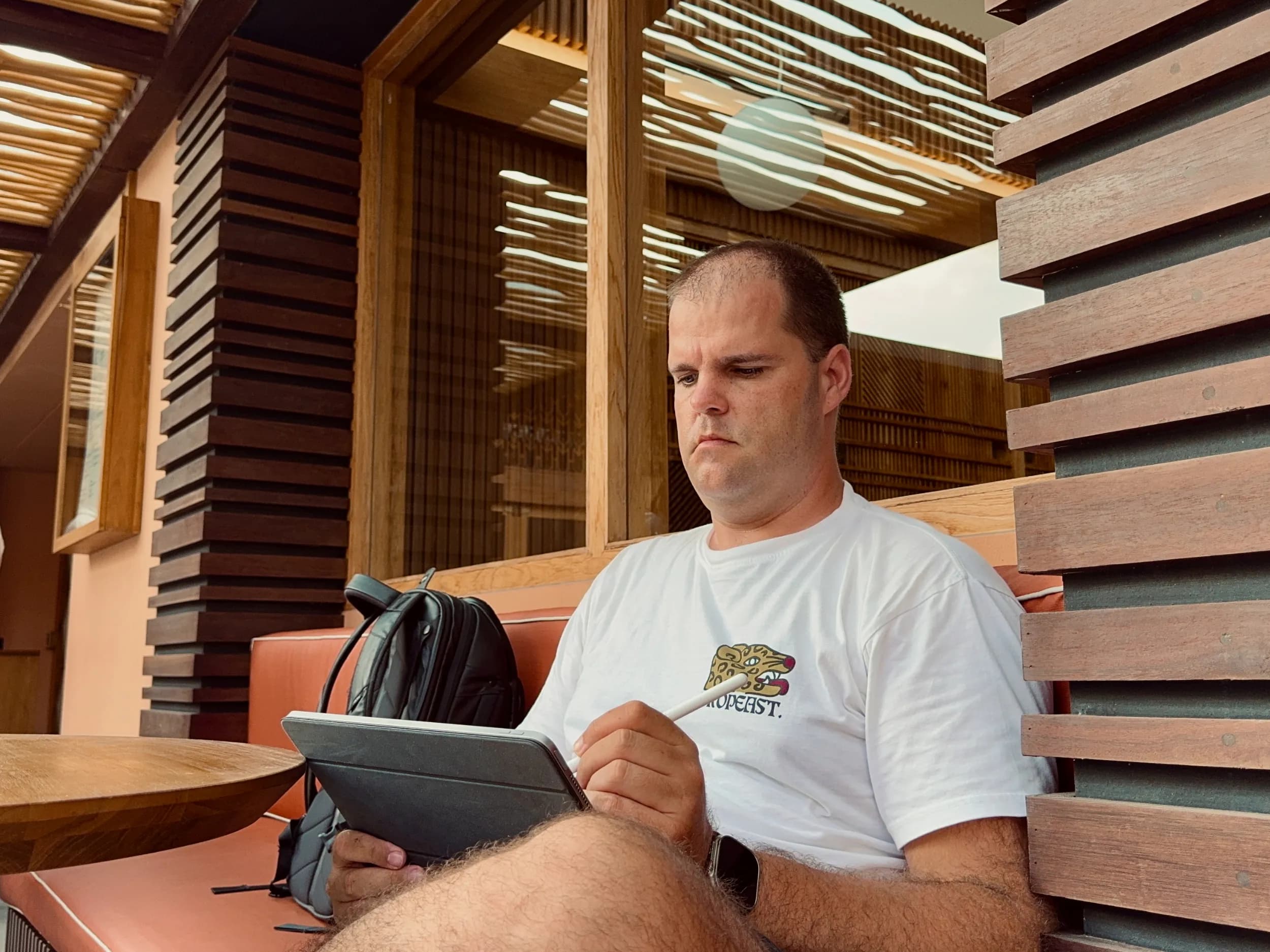
Honestly, I never felt this that strongly. Not because I'm wired differently, but because I built a simple physical habit early on: I go to a coworking space in the morning and I work. When I leave, I'm done. The city is the city. Work is work. The coworking space became the on/off switch that my brain needed.
If you're struggling with the guilt loop, the problem usually isn't discipline. It's that you have no spatial separation between work mode and explore mode. Your laptop is everywhere, so work is everywhere, so the mental boundary never gets to form.
Some cities are just better for deep work than others. This is something you learn fast after year one. High stimulation environments, places with chaotic streets, constant noise, unpredictable internet, make focused work genuinely harder. Not impossible, but harder. You're spending cognitive load just managing your environment.
After five years I've developed a rough mental model for this. Quieter, mid-sized cities with solid infrastructure tend to work well for heads-down periods. Big chaotic capitals are great for short bursts, networking, and recharging socially, but I wouldn't plan a heavy client sprint around them.
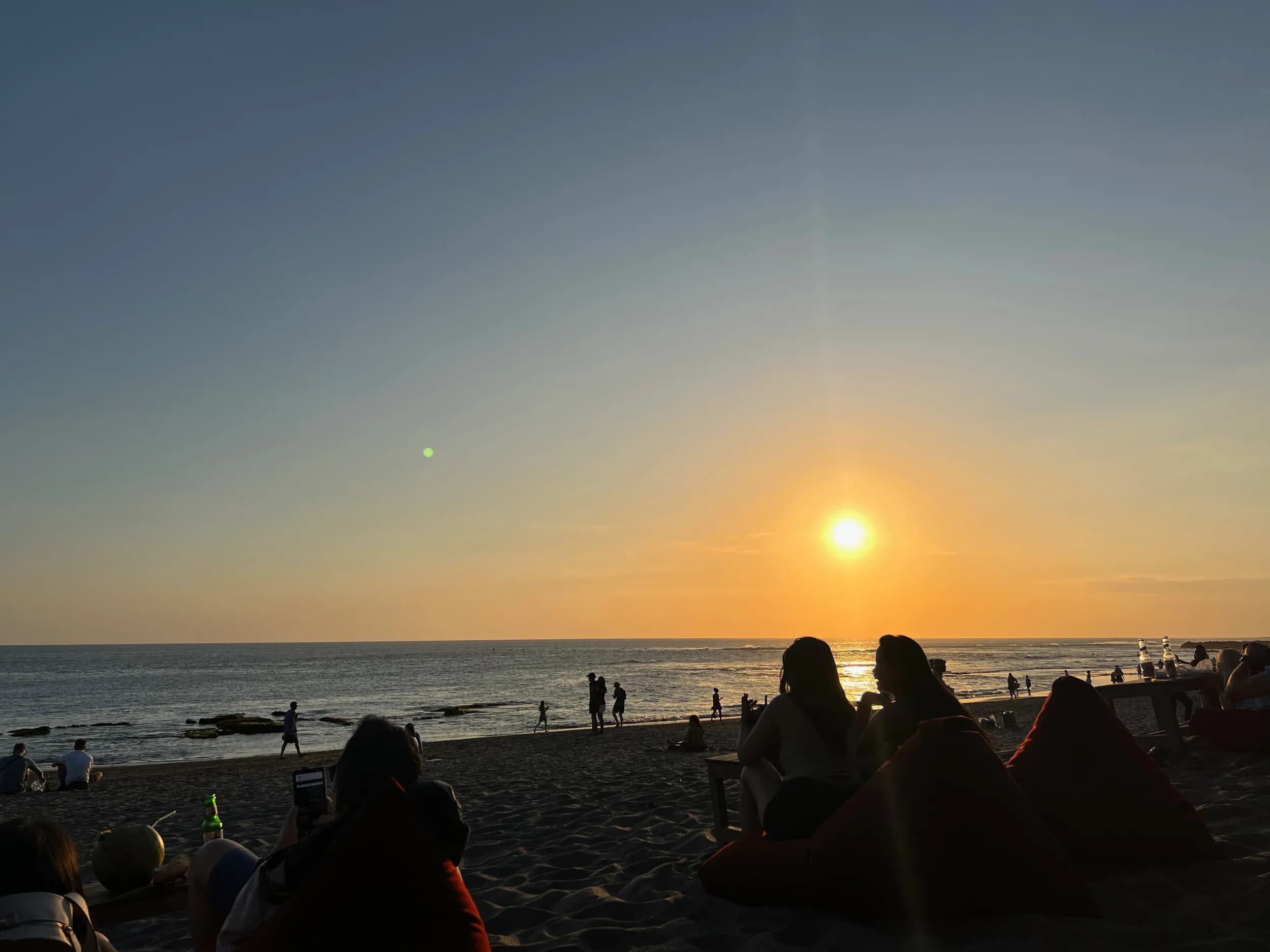
The key insight is that you don't have to treat every destination the same. Some places are work bases. Some are exploration trips. Once you stop expecting every city to be both, the pressure drops significantly.
The first year is about figuring out if you can do this. The second year is about figuring out how to do it well. By year five, the lifestyle itself stops being the thing you think about. It just becomes your operating system.
The biggest shift is that you stop optimizing for freedom and start optimizing for consistency. Paradoxically, the nomads who last the longest tend to be the ones who build the most structure into their days. Not rigid nine-to-five structure, but personal rituals and routines that travel with them. A morning coworking habit. A consistent client communication window. A rule about not opening the laptop after a certain hour.
Freedom without structure isn't freedom. It's just noise.
The honest answer is that work/life balance as a concept gets less useful the longer you do this. What you're actually managing is energy. Some days you're in a creative flow and working until midnight makes sense. Other days you need to walk around a new neighborhood for three hours and call it productive.
The balance question also shifts depending on your business model. If you're billing hourly, time is money in a very direct way. If you've moved toward retainers or project-based work, you have more flexibility to manage your energy rather than your hours. That transition, from trading time to trading outcomes, is probably the single most important lever for sustainable nomad work/life balance.
Year one is the hardest because you're managing both the lifestyle adjustment and the work uncertainty at the same time. If you're at the fourteen month mark and still standing, that's not nothing. The people who make it past year two almost always make it long term.
Stop trying to balance work and travel as if they're two competing things. They're not. They're both inputs into the same life. The question isn't how do you balance them, it's how do you design a week that you'd actually want to repeat indefinitely.
Pick a coworking space or a consistent work location in whatever city you're in. Even a specific table at a specific cafe counts. Give your brain a place that means work. Then give yourself permission to fully leave that place when you're done.
After five years, that simple habit has done more for my work/life balance than any productivity framework, time blocking system, or app ever has.