Most productivity advice for remote workers quietly assumes one thing: that tomorrow looks like today. Same desk, same wifi, same coffee. When you change cities every few weeks, that assumption breaks, and your real bottleneck stops being focus. It becomes energy. Here is how managing your energy around travel keeps you working well as a digital nomad, and why your environment often matters more than any productivity system.
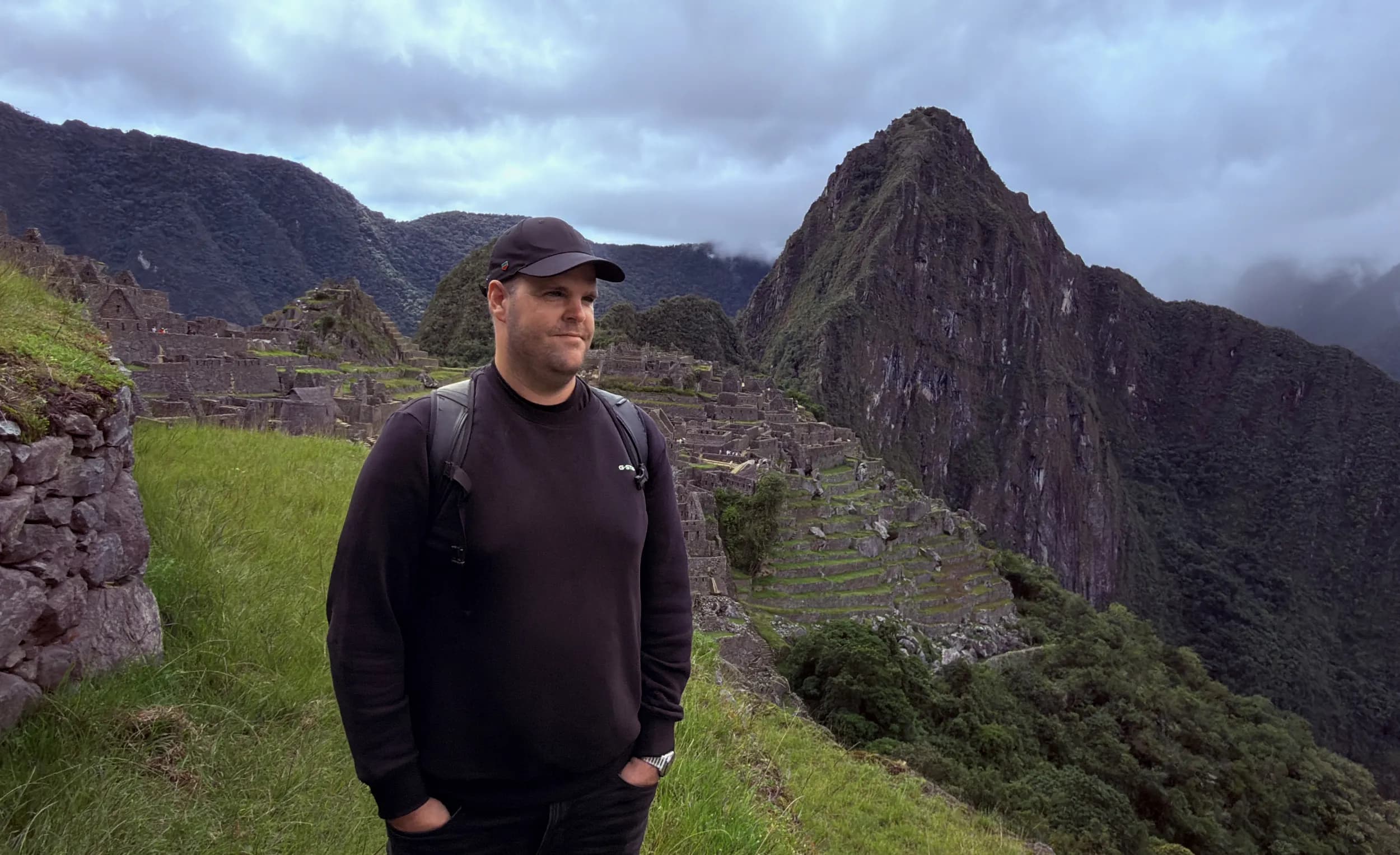
I am a freelance full stack developer who has been working while traveling since 2022. This magazine is where I write about the real side of the digital nomad and remote freelancer life: what works, what does not, and what nobody tells you before you book the one way ticket. No hype, no sales pitch, just notes from someone who is actually doing it.
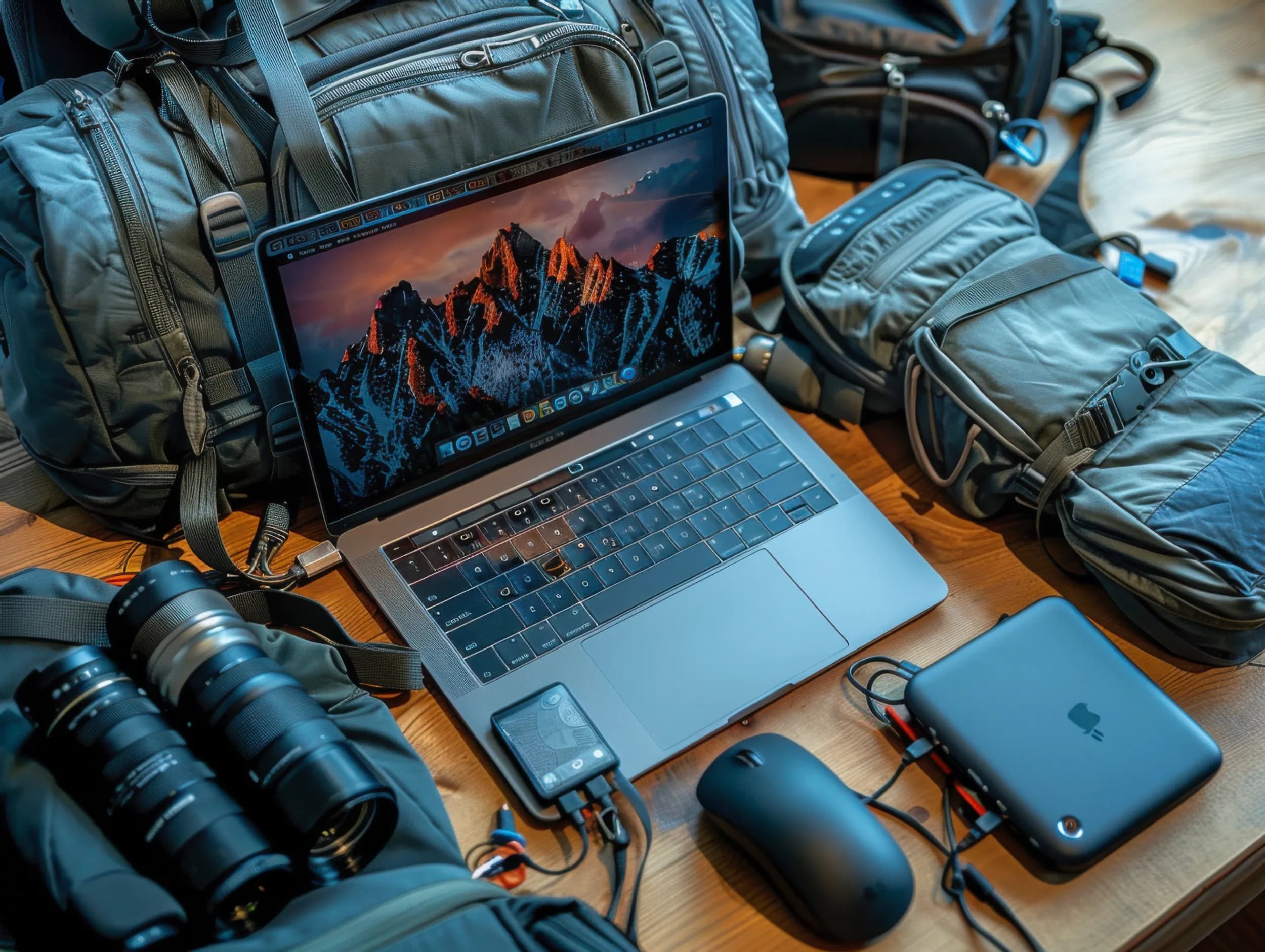
After five years of working remotely from different countries, my packing list has finally stopped changing. Everything I carry fits into one suitcase and one bag. The suitcase holds a week of clothes. The bag is my office. Here is exactly what is inside it, why each item earned its place, and what I quietly stopped carrying along the way.
Is AI replacing freelancers, or just making the work easier? After a year of using it every day as a freelance developer, my honest answer is both, at the same time. AI removes a layer of work for some people while handing real leverage to others. The bigger problem is not the tool. It is the stampede of companies forcing AI onto everything to ride the hype, without knowing what problem they are actually solving.
One boring question quietly decides whether your money keeps flowing as a digital nomad: what address do you use when you no longer have a permanent home? Get it wrong and you face frozen bank accounts, declined cards, and tax letters sent nowhere. This guide breaks down the three things people confuse as "your address," why banks demand proof of address, and the simplest setup that keeps you out of trouble, based on five years of living this way.
Reverse culture shock for Digital Nomads is the quiet disorientation you feel when you come back to the place you used to call home and realize it no longer fits. The streets are familiar, the language is yours, the people sound like you. And still, something is off. If you have spent years working remotely from other countries, this feeling is not rare. It is almost a rite of passage.
Most people who go location independent spend the first year documenting everything. The new cafes, the visa runs, the "office views" from rooftop coworking spaces. Then around month twelve or fourteen, something shifts. The posts slow down. The excitement gets quieter. And the real question shows up: is this actually working for me as a lifestyle, or was I just on a very long vacation?
Most freelancers hit the feast-and-famine cycle at some point. One month fully booked, the next with an empty pipeline and no idea where the next client is coming from. This is not bad luck. It is a structural problem, and it is solvable. Here is what actually causes it, and how to break out of it before it breaks you.
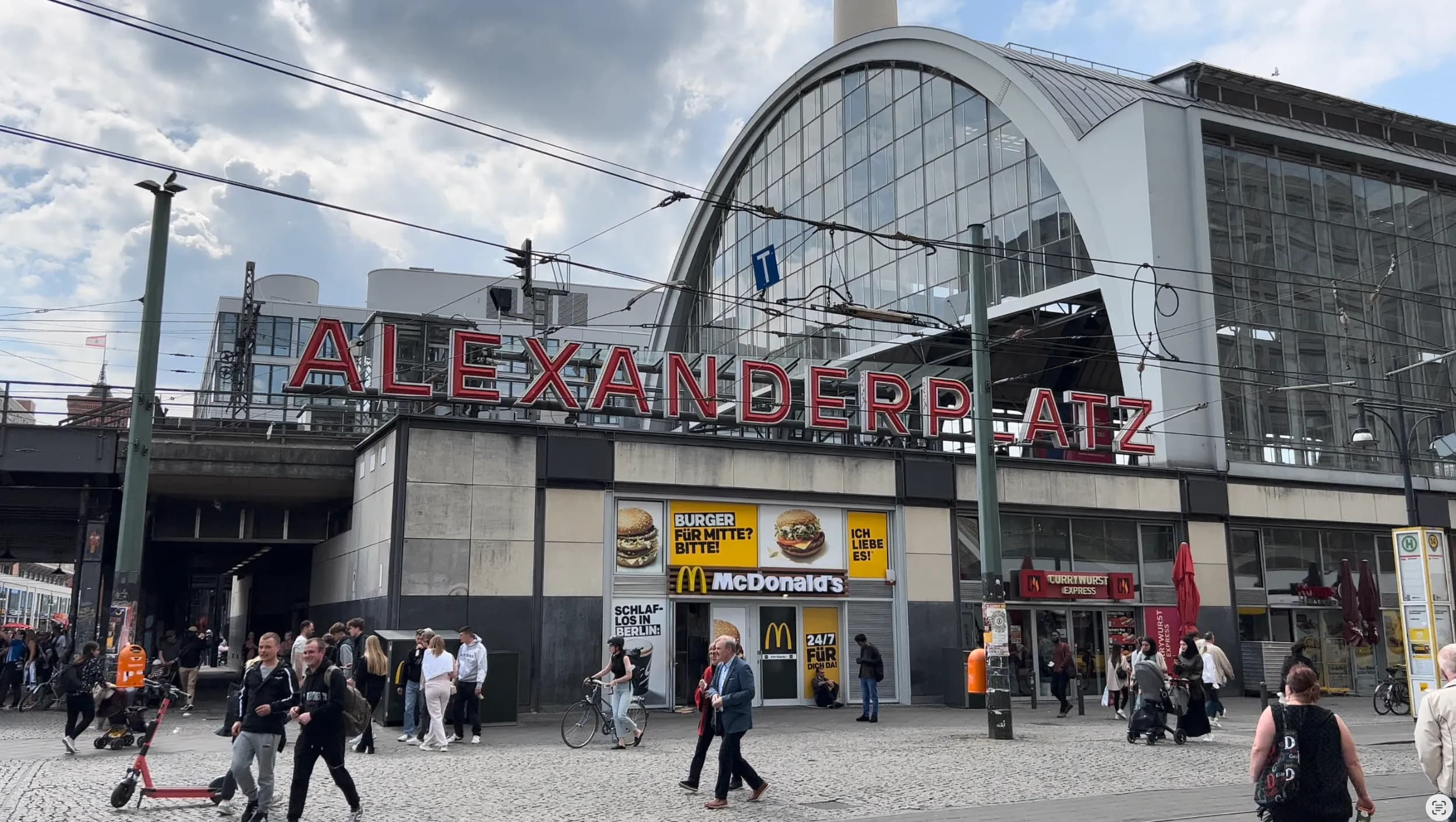
Berlin is one of those cities that gets under your skin without trying. It does not sell itself. There are no postcards at every corner, no perfectly curated tourist districts designed to impress you. What you get instead is a living, breathing city that has been rebuilt, reunified, burned down, and rebuilt again, and has somehow turned all of that chaos into one of the most interesting places on earth to spend a month with a laptop and an open schedule.
Moving to a new city every four to eight weeks sounds exciting until you count the cost. A new sim card, unfamiliar grocery stores, untested wifi, no workspace. Most digital nomads lose a full week of productivity to settling in, and at a fast travel pace that adds up to months of lost focus per year.
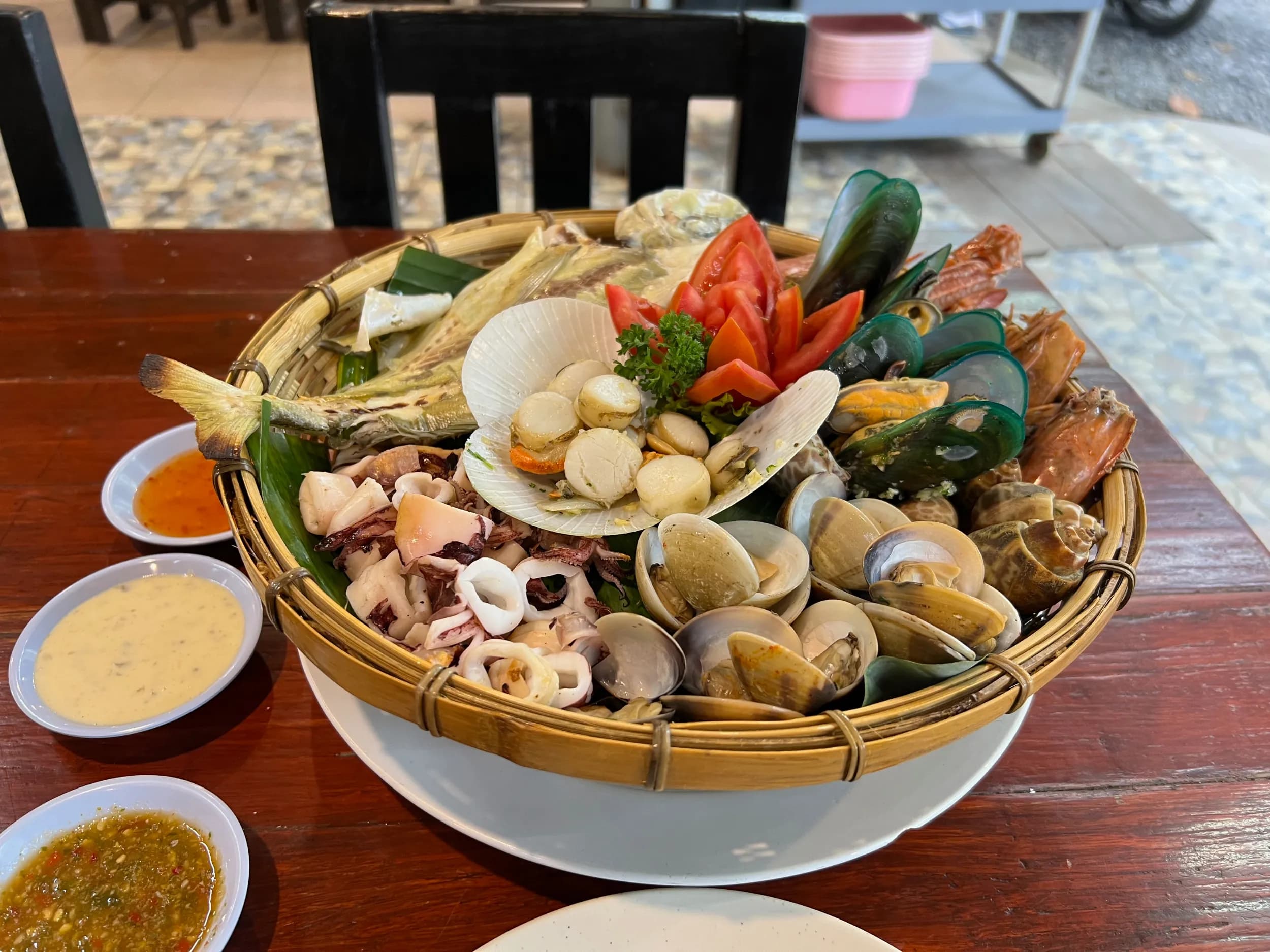
Thailand is one of the most popular bases for digital nomads, and the food is a huge part of why people stay longer than planned. Street food costs less than cooking at home, the variety is endless, and yes, you can even eat crocodile. This guide covers what to actually eat in Thailand, where to find it, and a few things I learned the hard way.
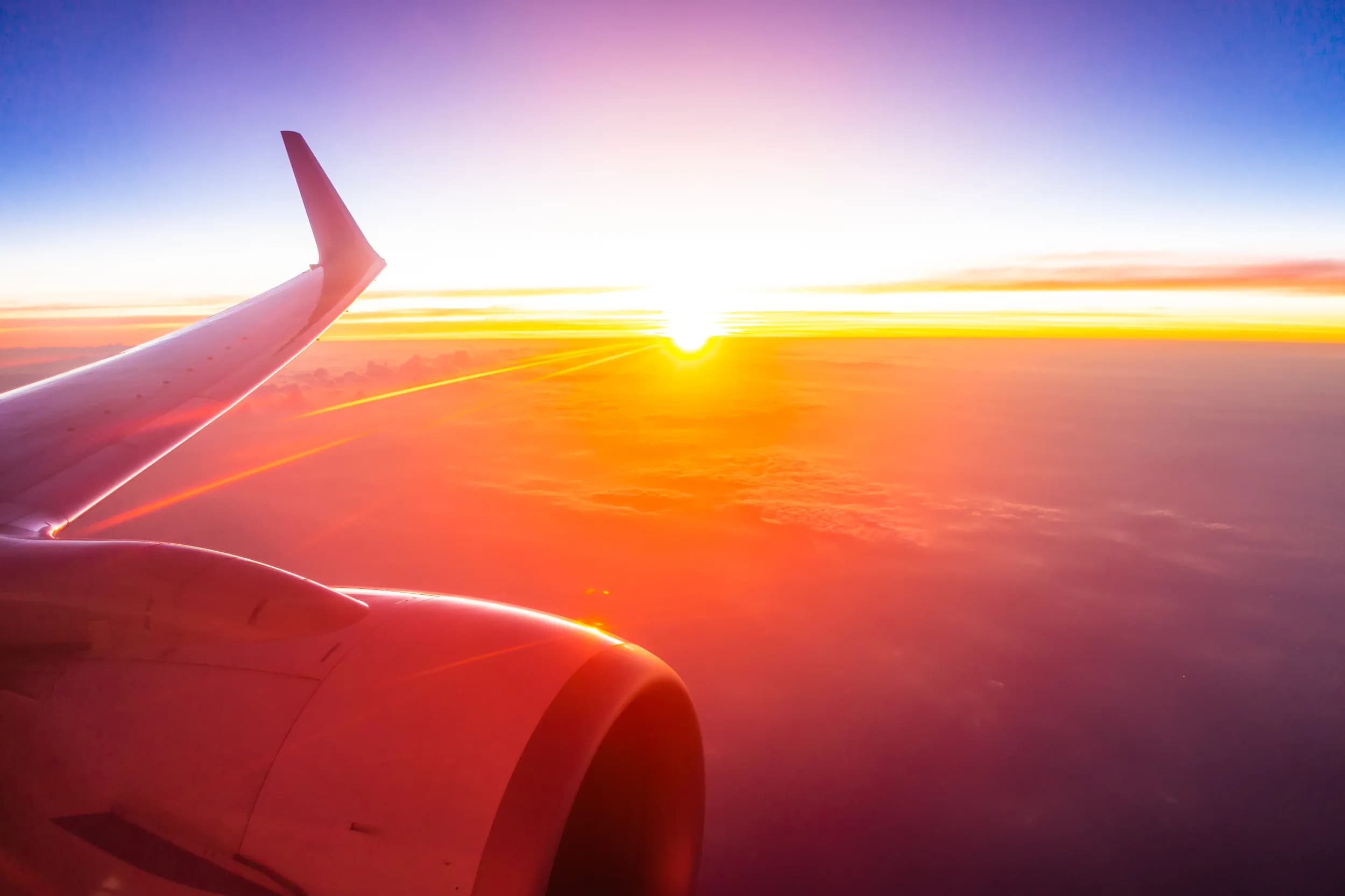
Most long haul flight guides give you twenty tips of equal weight, as if compression socks and a good neck pillow were somehow on the same level. They are not. After years of flying between continents as a nomad, my conclusion is simple: the entire game is sleep. I
Coming Soon
FreelantOS
Nomad life and freelance work, made simple. An all in one dashboard for freelancers and digital nomads.
🎁 Waitlist members get 3 months free at launch. Be the first to try it when we launch.