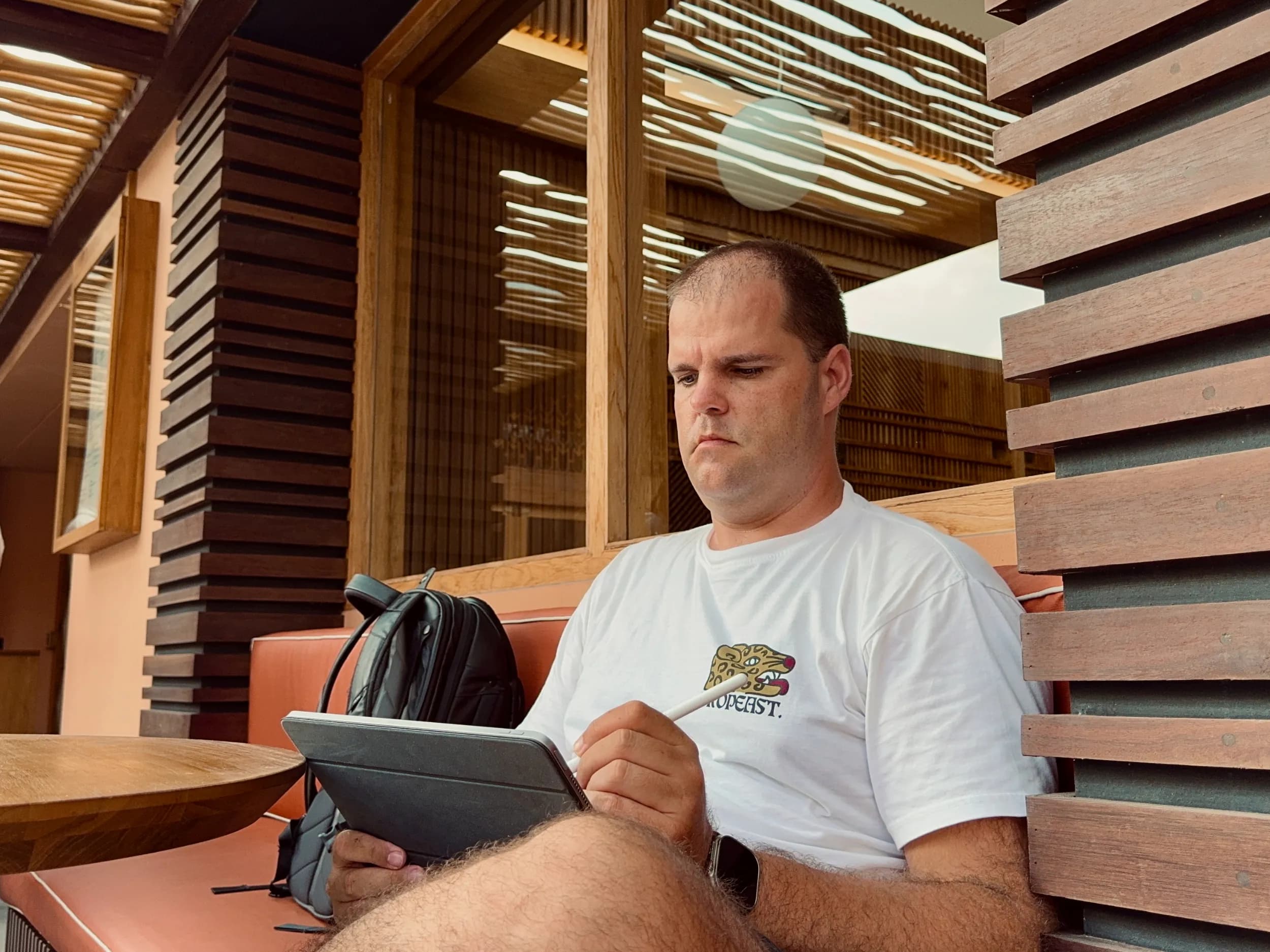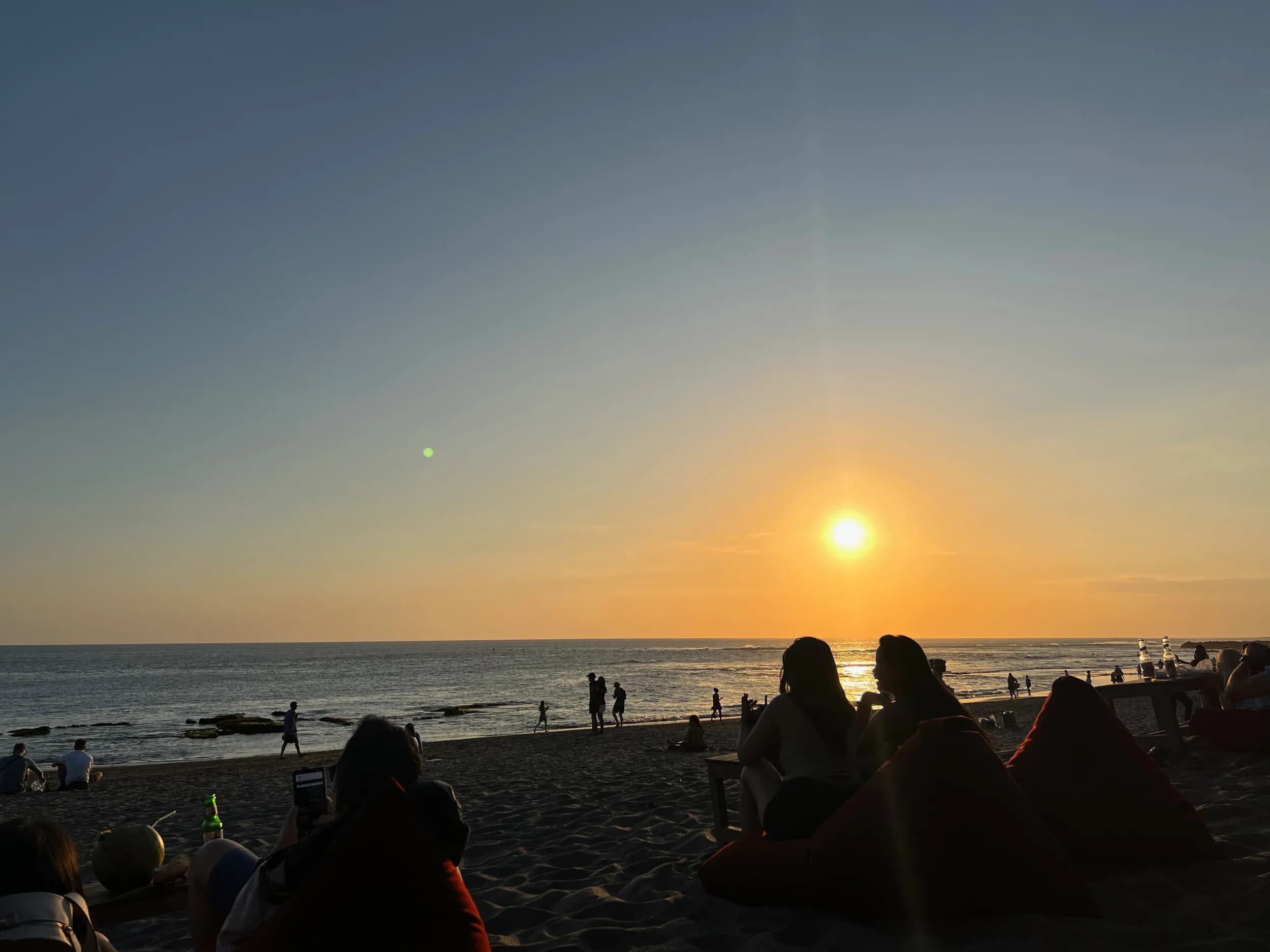
I lived in Canggu for a full year, and I want to be upfront about it: the traffic is brutal, the air quality is worse than the Instagram reels suggest, and tourists are everywhere. And it is still my favorite place in the world. That contradiction is exactly what living in Canggu in 2026 feels like, and if you are considering it as your next base, you deserve the real picture, not the filtered one.
Let me get the bad stuff out of the way. Jl. Batu Bolong between 4 and 7 PM is a parking lot on two wheels. Scooter exhaust hangs in the air, construction noise is constant, and the area keeps getting more crowded every season. Rents jumped roughly 18 percent year on year, with a one bedroom villa with a pool now sitting between 12 and 18 million rupiah per month. Landlords increasingly ask for two months upfront. Canggu in 2026 is not the cheap secret it was five years ago.
Because everything I need to work calmly is simply there. Internet runs at 50 to 100 Mbps in most places, and the density of coworking spaces and laptop friendly cafes is unmatched anywhere I have worked from. Whatever service you need exists within a ten minute scooter ride: laundry picked up from your door, a gym, a massage after a long sprint, decent specialty coffee, visa agents, scooter mechanics. As a developer shipping client work on deadlines, that frictionless infrastructure matters more to me than postcard quietness. The GMT+8 timezone also overlaps nicely with European client hours, which made my mornings free and my afternoons productive.
A realistic comfortable setup, meaning a private one bedroom place, a scooter, a gym membership and a mix of warung and Western food, lands somewhere between 1,500 and 2,500 USD per month. You can go lower with a shared coliving room and local food, or much higher if beach clubs become your second office. Food is the biggest variable: eating mostly at warungs costs a fraction of a Western cafe habit.
The legal situation improved a lot. Indonesia now has a proper remote worker visa (E33G), and a longer term digital nomad visa option was introduced as well. Just keep the 183 day tax residency rule on your radar if you plan to stay long, and do not work on a tourist visa, since enforcement got noticeably stricter.
If you need silence and pristine air, Canggu will frustrate you, and Ubud or Uluwatu might fit better. But if you want a place where remote work is genuinely easy, where the community is everywhere and every practical problem already has a solution, Canggu is still hard to beat. I spent a year there knowing all its flaws, and I would go back tomorrow.