Thailand is one of the most popular bases for digital nomads, and the food is a huge part of why people stay longer than planned. Street food costs less than cooking at home, the variety is endless, and yes, you can even eat crocodile. This guide covers what to actually eat in Thailand, where to find it, and a few things I learned the hard way.
Forget restaurants with English menus and air conditioning. The best Thai food comes from a cart with a wok, a plastic stool, and a cook who has made the same three dishes for twenty years.
A proper meal from a street vendor costs between 40 and 80 baht, roughly one to two dollars. As a freelancer watching monthly burn rate, this matters. In Bangkok or Chiang Mai you can eat well three times a day for under ten dollars total, and the quality often beats midrange restaurants back home.
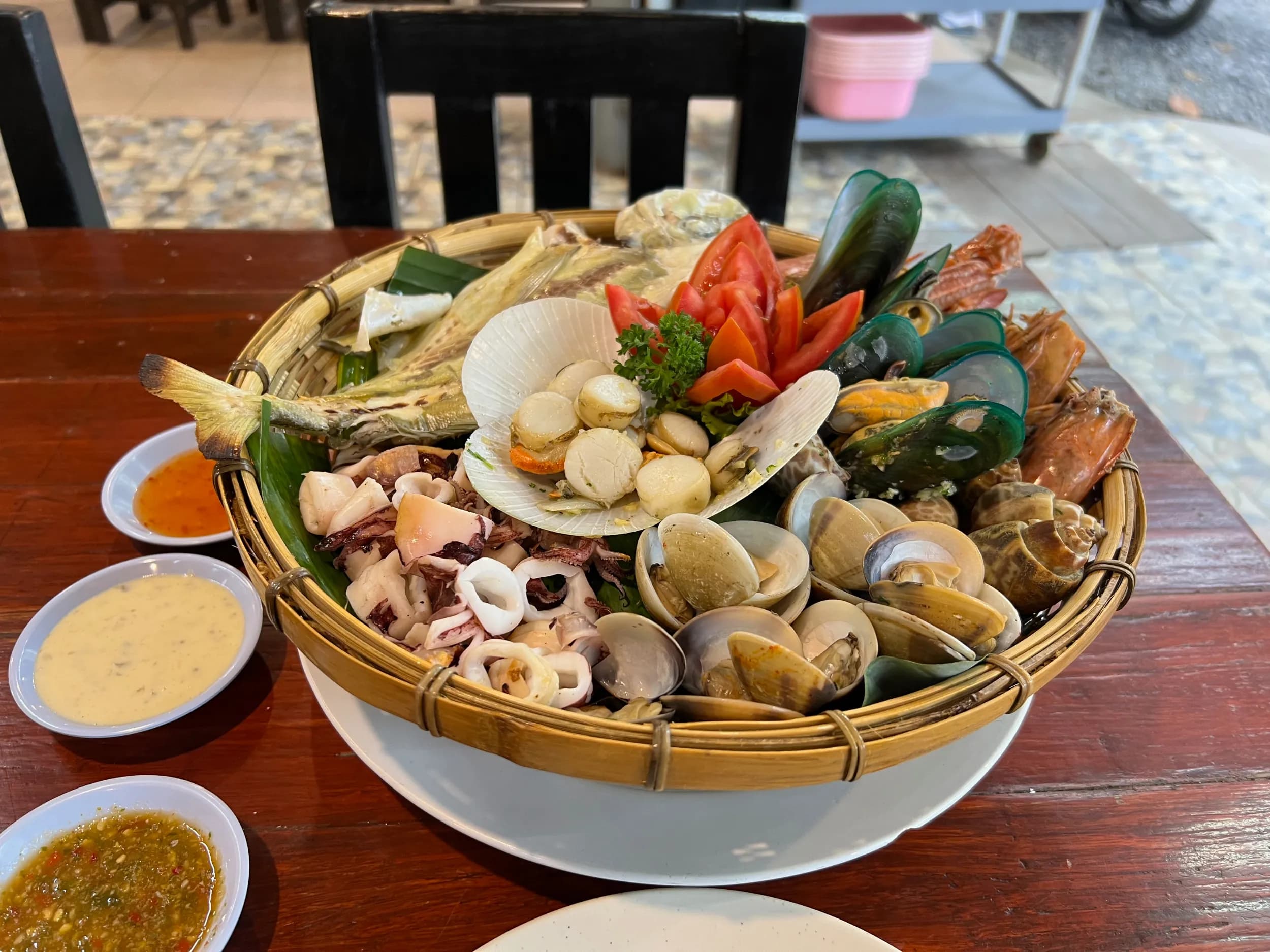
Everyone knows Pad Thai, but it is honestly tourist food in most places. Go deeper. Khao soi is a curry noodle soup from the north and it alone justifies a month in Chiang Mai. Som tam, the green papaya salad, is fresh, spicy and addictive. Moo ping, grilled pork skewers sold near every BTS station in Bangkok, is the perfect breakfast before a coworking session.
If you want comfort food, khao man gai is the Thai take on chicken and rice. Simple, cheap, available everywhere.
One warning: when a vendor asks how spicy you want it, "Thai spicy" is not a challenge you need to accept. I learned this once and only once.
Thailand has crocodile farms, and crocodile meat shows up at night markets more often than you would expect, usually grilled on skewers or served as steak. I tried it myself, and the taste reminded me of a mix between chicken and fish. The texture is lean and slightly chewy, and it works surprisingly well with a spicy dipping sauce.
Is it a must? No. Is it worth trying once for the story? Absolutely. Night markets in Bangkok and tourist areas like Phuket are the easiest places to find it.
Pick stalls with a queue of locals. High turnover means fresh ingredients. Avoid raw vegetables from places that look slow, drink bottled water, and give your stomach a few days to adapt before going full street food mode.
Most nomads get one rough day in their first two weeks. It passes. The food is worth it.
Food in Thailand is cheap, fast and genuinely great, which makes it one of the easiest countries to live in as a remote worker. Try everything once, even the crocodile. Your budget and your taste buds will both thank you.